BLOG
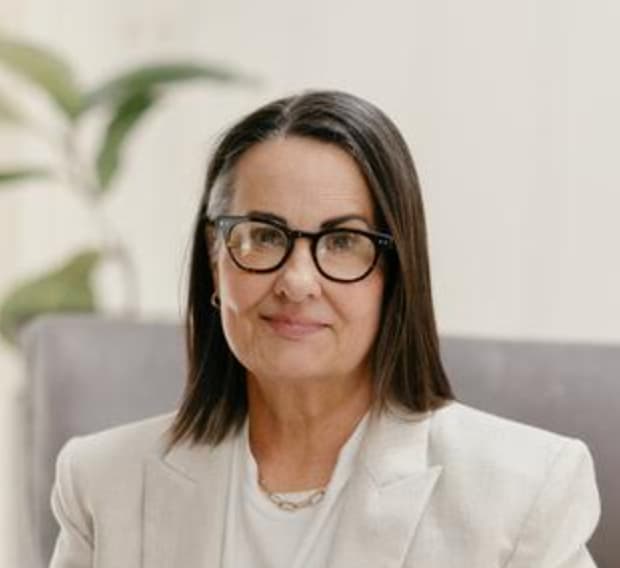
Hello! I'm Dr.Vanessa Schaeffer.
I am a Licensed Clinical Psychologist specializing in working with older adults and the people who love and care for them.
If you are struggling to establish any of these healthy habits, please reach out for a consultation session. I can help you set and achieve your goals.
"You are not too old, and it is not too late."
-George Eliot
Does Online Therapy Work for Older Adults? What the Research Says
Telehealth therapy significantly reduces depression symptoms in older adults, with research showing comparable outcomes to traditional in-person treatment. A 2024 meta-analysis of telecare interventions found that online therapy produced meaningful improvements in depressive symptoms among older adults (Wu et al., 2024), and a 2022 comparison study concluded that "age is not a barrier to benefitting from telepsychiatric care" (Belanger & Winsberg, 2022).
For older adults and their families considering therapy, the question "does online therapy actually work?" is both practical and important. The answer, backed by growing research evidence, is yes—with some important nuances about how to make it work well.
What Does the Research Say About Online Therapy for Older Adults?
The evidence for telehealth therapy with older adults has strengthened considerably in recent years, particularly following the rapid expansion of telemental health during the COVID-19 pandemic.
A systematic review and meta-analysis published in JMIR mHealth and uHealth examined telecare interventions for late-life depression across multiple studies. The pooled results showed that telecare significantly reduced depressive symptoms compared to usual care, with a standardized mean difference of -0.46 (Wu et al., 2024). In research terms, this represents a moderate, clinically meaningful effect.
Short-term interventions of three months or less proved most effective, and video-based programs showed greater effectiveness than telephone-only approaches—suggesting that the visual connection matters for therapeutic engagement.
Perhaps most importantly, a direct comparison study found no significant differences in how depression symptoms improved between older and younger adults receiving telepsychiatric care over 16 weeks. The researchers concluded that age does not impede therapeutic benefit from virtual mental health care (Belanger & Winsberg, 2022).
How Does Video Therapy Compare to In-Person Sessions?
Research indicates that video-based teletherapy produces outcomes comparable to face-to-face treatment across multiple clinical domains.
A 2025 systematic review examining telehealth's impact on health outcomes and quality of life in older adults found that video-based interventions improved physical function, chronic disease control, health knowledge, and reduced avoidable hospitalizations (Fernandes et al., 2025). The review noted that video-based programs demonstrated greater effectiveness than telephone-only interventions, particularly in rehabilitation and psychological support contexts.
For mental health treatment specifically, the evidence base shows that therapeutic relationships can be established and maintained through video sessions. Therapists can observe facial expressions, body language, and emotional responses—all important elements of psychological treatment—through a screen.
Some aspects of telehealth may actually enhance engagement for older adults. Sessions conducted from home eliminate transportation barriers, reduce exposure to illness during appointments, and can feel more comfortable and less stigmatizing than visiting a mental health clinic. For older adults with mobility limitations or those living in rural areas with limited access to specialized geropsychologists, telehealth may represent the difference between receiving evidence-based care or going without.
What Conditions Can Online Therapy Effectively Treat in Older Adults?
Research has documented the effectiveness of telepsychology for several mental health conditions common in later life:
Depression and anxiety. The strongest evidence supports telehealth treatment for late-life depression and anxiety disorders. Multiple studies show significant symptom reduction comparable to in-person treatment (Wu et al., 2024).
Adjustment to chronic illness. Older adults navigating the emotional impact of health changes, chronic pain, or terminal illness can work with therapists remotely to develop coping strategies and process grief.
Grief and loss. Bereavement counseling translates well to video therapy. The privacy and comfort of receiving support at home may feel particularly appropriate when processing profound loss.
Cognitive and memory concerns. While comprehensive neuropsychological assessment typically requires in-person evaluation, therapy addressing the emotional impact of memory changes or supporting families navigating cognitive decline can be conducted effectively through telehealth.
Caregiver stress and burnout. Family caregivers—especially those caring for a loved one with dementia—often struggle to leave the house for their own appointments. Telehealth allows caregivers to access support without leaving the person they're caring for. (Related: Understanding when depression requires professional attention can help caregivers recognize when they need support.)
What Are the Challenges of Online Therapy for Older Adults?
While research supports telehealth effectiveness, implementation faces real challenges that affect access and experience:
Technology barriers. Not all older adults have reliable internet access, appropriate devices, or comfort with technology. A 2025 systematic review noted that adults aged 80 and older faced more barriers due to digital literacy challenges (Fernandes et al., 2025). However, with initial support—often from a family member or the therapist's staff—many older adults who initially feel uncertain about technology become comfortable with video sessions.
Hearing or vision impairment. Sensory changes common in later life can make video communication more challenging. Using headphones, increasing screen brightness, and ensuring good lighting on both ends can help, but some older adults may find telephone sessions more accessible than video when hearing or vision loss is significant.
Privacy concerns. Older adults living with family members or in assisted living may struggle to find private space for therapy sessions. Discussing this with the therapist beforehand allows for planning—some clients conduct sessions from a parked car, use a bedroom with a closed door, or schedule sessions during times when others are out.
The therapeutic relationship. Some people—regardless of age—simply prefer in-person connection. While research shows therapeutic relationships develop effectively through video, personal preference matters.
The National Institute on Aging acknowledges these considerations while noting that telehealth can be easier, faster, and less expensive than office visits for many older adults, particularly those with limited mobility or living in rural areas.
What Makes Online Therapy Work Well for Older Adults?
Research identifies factors that strengthen engagement and outcomes:
Professional guidance and support. Working with a therapist experienced in both geropsychology and telehealth makes a difference. A psychologist who understands aging-specific concerns and knows how to adapt treatment for video delivery can address both clinical and technical needs.
Caregiver support when needed. For older adults less comfortable with technology, having a family member help with the initial setup—logging in, adjusting volume, positioning the device—can reduce frustration. Once sessions begin, the therapist and client meet privately.
Video rather than audio-only. While telephone therapy is better than no therapy, the research consistently shows video-based interventions prove more effective, allowing for the visual connection that supports therapeutic engagement (Fernandes et al., 2025).
Real-time interaction. Live video sessions (synchronous telehealth) appear more effective than asynchronous interventions like messaging-based therapy, particularly for older adults who may be less comfortable with text-based communication.
Consistent scheduling. Regular, predictable appointment times help older adults incorporate therapy into their routine and build the therapeutic relationship over time.
Is Telehealth Covered for Older Adults?
Medicare coverage for telehealth mental health services has expanded significantly, particularly following the COVID-19 pandemic. As of 2026, Medicare Part B covers many telehealth services, including mental health counseling, when provided by eligible practitioners.
Coverage specifics can change, so it's important to verify with your insurance provider and the therapist's billing service before beginning treatment. Many therapists who accept Medicare also provide detailed information about coverage during the initial consultation.
For older adults with supplemental insurance or Medicare Advantage plans, telehealth coverage may be even broader. Some plans cover services that original Medicare doesn't, though requirements and copayments vary.
How Do You Know If Online Therapy Is Right for You?
Consider telehealth therapy if:
- You have reliable internet access and a device with video capability (smartphone, tablet, or computer with camera)
- You have a private space where you can talk confidentially
- You're willing to try video sessions with support getting started if needed
- Transportation, mobility, or distance makes in-person therapy difficult
- You prefer the convenience and comfort of meeting with a therapist from home
Online therapy may be less suitable if:
- You lack reliable technology or internet access and don't have someone who can help
- You have significant hearing or vision impairment that makes video communication very difficult
- You have a strong personal preference for in-person connection
- Your situation requires in-person assessment (for example, comprehensive cognitive testing)
The best way to determine if telehealth is right for you is to discuss it directly with a licensed mental health provider who offers video sessions. Many therapists provide a brief initial consultation to assess whether telehealth is appropriate for your specific needs.
The Bottom Line
Research consistently supports that online therapy works for older adults. Video-based telehealth produces meaningful improvements in depression, anxiety, and other mental health concerns common in later life, with outcomes comparable to traditional in-person treatment.
Age is not a barrier to benefitting from telepsychology. While technology access and digital literacy present real challenges for some older adults, many successfully engage in video therapy—particularly with initial support and a therapist experienced in working with older populations.
The growing evidence base, expanded Medicare coverage, and practical advantages of receiving care at home make telehealth an increasingly viable option for older adults seeking mental health support. For those with mobility limitations, transportation challenges, or limited local access to geropsychology specialists, online therapy may represent not just a convenient alternative, but the most practical path to evidence-based care.
If you're considering therapy but uncertain about the online format, a consultation with a teletherapy provider can address your specific questions and help you determine whether this approach fits your needs and preferences.
Dr. Vanessa Schaeffer, Ph.D., is a licensed clinical psychologist and geropsychologist providing specialized teletherapy for adults 65 and older across Georgia and all PSYPACT-participating states. As a PSYPACT provider (APIT #5972), she offers evidence-based video therapy from the comfort of your home. Schedule a telehealth consultation to discuss how online therapy can support your mental health and well-being.
References
Belanger, H. G., & Winsberg, M. (2022). Do older adults benefit from telepsychiatric care: Comparison to younger adults. Frontiers in Psychiatry, 13, 998401. https://pmc.ncbi.nlm.nih.gov/articles/PMC9441623/
Fernandes, G., Figueiredo, T., Costa, E., Coelho, L., & Loyens, D. (2025). Impact of telehealth on health outcomes and quality of life in the older adults population: a systematic review. Frontiers in Digital Health, 7, 1708960. https://pmc.ncbi.nlm.nih.gov/articles/PMC12756505/
National Institute on Aging. (n.d.). Telehealth: What is it, how to prepare, is it covered? https://www.nia.nih.gov/health/medical-care-and-appointments/telehealth-what-it-how-prepare-it-covered
Wu, M., Li, C., Hu, T., Zhao, X., Qiao, G., Gao, X., Zhu, X., & Yang, F. (2024). Effectiveness of telecare interventions on depression symptoms among older adults: Systematic review and meta-analysis. JMIR mHealth and uHealth, 12, e50787. https://pmc.ncbi.nlm.nih.gov/articles/PMC10831591/