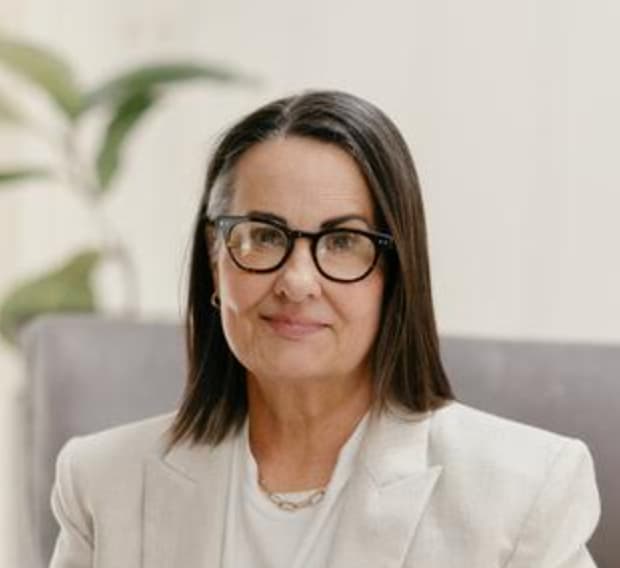
When I wrote my very first newsletter in April of 2024, I was trying to put words around a turning point in my life. My mother had been diagnosed with Stage 4 cancer at age 80, and walking with her through the end of her life changed me. It changed not only how I understood loss, but how I understood aging, my work, and my own life.
At the time, I knew I was making a professional pivot. What I did not yet know was how much that decision would keep asking of me. I did not know how often I would see courage and fear living side by side in the people I work with. I did not know how much wisdom could exist alongside grief. I did not know how deeply our beliefs about aging shape the way we actually live it.
I still believe what I wrote then, maybe even more now. We live in a culture that treats aging like a problem to solve, a condition to fight, or a story best kept quiet. But the older I get, and the longer I do this work, the more convinced I am that aging is not something to deny. It is something to meet. To study. To respect. To appreciate. To do with intention.
I have also come to believe this: growing older does not simply reveal what is happening to our bodies or our lives. It reveals the story we have come to believe about what this season means. That story matters. It affects how we cope, how we love, how we adapt, and whether we can find meaning here.
Looking back, I can see that my first newsletter was really an invitation. Not to age perfectly, but to age honestly.
One of the things I have learned most clearly is that our mindset about aging is not a small thing. It influences how we interpret change, how we respond to loss, and whether we see ourselves as diminished or still becoming. The story is never simple, and aging is never easy all the way through, but the words we attach to this season influence how we live it. This conviction has stayed with me long enough that it is now the subject of an upcoming book, one that looks closely at how the way we speak to ourselves about aging can quietly shape the way we experience it.
Maybe that is where good aging begins. Not in denial or worse, dread, but in attention. In noticing the beliefs we carry, questioning the ones that no longer serve us, and making room for a truer and steadier way forward.
So, as you move through this month, pay attention to the story you are telling yourself about getting older. Some parts of that narrative may need compassion, and some may need correction. Some might deserve a complete rewrite. And perhaps that is part of aging well too: learning to tell the truth about this season without surrendering to fear about what it means. That may be one of the most important kinds of wisdom this season asks of us.