AGING WELL
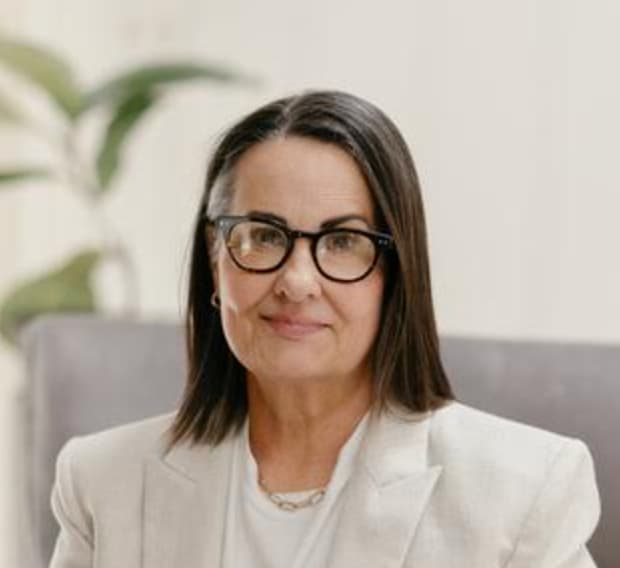
Hello! I'm Dr.Vanessa Schaeffer.
I am a Licensed Clinical Psychologist specializing in working with older adults and the people who love and care for them.
If you are struggling to establish any of these healthy habits, please reach out for a consultation session. I can help you set and achieve your goals.
“Example is not the main thing. It is the only thing.”
-Albert Schweitzer
Who Teaches Us How to Grow Older?
When we're young, if we're lucky, there seems to be no shortage of people willing to teach us how to live. Parents, teachers, coaches, and mentors help us navigate the world. As adults, we continue seeking guidance about careers, relationships, parenting, and the challenges of being human.
We recognize that experience matters. My father used to remind me to find people who were successful at things I was interested in and learn from them. I've been exceptionally fortunate to have some wonderful mentors, and I don't intend to stop looking for good examples.
Lately, I’ve been wondering: Who teaches us how to grow older?
Why do we readily seek mentors for our careers and relationships, but rarely think to seek mentors for aging?
We certainly hear plenty about what can go wrong. We're warned about declining health, memory changes, physical limitations, and loss. And we're surrounded by messages about how to look younger, feel younger, and resist the signs of aging.
It's a peculiar thing, don't you think, that we spend much of our lives hoping to live a long, happy life, yet hear so little encouragement about actually becoming older?
Ageism certainly plays a role, but perhaps we've become so focused on what we might lose that we haven't considered what we might learn, discover, or gain.
Growing older is inevitable. Learning how to grow older well is an ongoing process.
There isn't one right way to grow older, but we can certainly benefit from the wisdom and perspective of people who have already experienced some of the changes we have yet to encounter.
And I'm not talking about the 95-year-old marathon runner or the 85-year-old entrepreneur. Those stories can be inspiring, but aging well doesn't require extraordinary accomplishments.
I'm thinking about ordinary people who have learned extraordinary things along the way.
The woman who told me she's more comfortable with herself than she ever imagined at 40. The man who discovered unexpected opportunities in retirement and says he's "happier than ever before." The person who has learned to accept help without feeling diminished, or someone who has experienced tremendous loss and still finds reasons to be curious and engaged.
These people haven't avoided the difficulties of aging. They've learned something about living with them. They can tell us what matters more now, what matters less, and what turned out to be far less important than they once believed.
We don't just need people to tell us how to manage the difficulties of growing older. We need people who can help us recognize what we might have to look forward to.
I ask older adults all the time what has surprised them about aging, what they enjoy now that they never expected to, and what they wish they'd known twenty years earlier. Their answers are often wonderful, sometimes funny, and always worth hearing.
Psychologist Becca Levy suggests creating a "portfolio of positive role models" by identifying four or five older adults we admire and considering which of their qualities we'd like to cultivate in ourselves. I love this idea. Rather than focusing on what we hope to avoid as we age, we can begin imagining the kind of older person we'd like to become.
Of course, getting older doesn't automatically make someone wise. But watching how someone navigates disappointment, uncertainty, or unexpected changes can teach us valuable lessons. And some of our best teachers are those who speak honestly about both the difficulties and unexpected gifts of aging.
There's another side to this, too. As we grow older, we have opportunities to become the very people we once needed. We can share what we've learned, offer encouragement, and show younger people that there are many ways to grow old.
Maybe one of the best things we can do for our future selves is to find people who make us look forward to becoming older. And one of the best things we can do for those coming behind us is to become one of those people ourselves.
So, try this: Think of someone whose way of growing older you admire. Ask what they've learned that they wish they'd understood sooner. Or what they appreciate about life today that they couldn't have anticipated twenty years ago.
I hope their answers surprise and inspire you. Perhaps they'll even change how you think about your own future.
We've spent our lives learning from people who have gone before us. Why should that stop now?
Older people don't simply offer us wisdom about the past. They can change the way we feel about the future.
So go ahead. Find your mentors and keep them close.